
Vitamin K: What It Does, Who Needs It, and How It Affects Your Blood and Bones
When you cut yourself, vitamin K, a fat-soluble nutrient critical for blood clotting and bone metabolism. Also known as phylloquinone (K1) or menaquinone (K2), it’s not just a footnote in your multivitamin—it’s what stops you from bleeding out after a scrape. Without enough vitamin K, your blood doesn’t clot properly. That’s not theoretical. People on long-term antibiotics, with severe gut issues, or on high-dose warfarin can develop dangerous bleeding because their bodies can’t activate clotting proteins.
But vitamin K isn’t just about stopping bleeding. It also helps your bones stay strong by activating osteocalcin, a protein that binds calcium to your skeleton. Low levels are linked to higher fracture risk, especially in older adults. And here’s the twist: warfarin, a common blood thinner used to prevent clots in people with atrial fibrillation or deep vein thrombosis. Also known as Coumadin, it works by blocking vitamin K’s activity. That’s why people on warfarin need to keep their vitamin K intake steady—eating a huge salad one day and none the next can throw your INR levels off, increasing your risk of clotting or bleeding. It’s not about avoiding vitamin K—it’s about consistency.
Then there’s the food factor. Leafy greens like kale, spinach, and broccoli are packed with vitamin K1. Fermented foods like natto and certain cheeses offer K2, which may be better for bone health. But if you’re on blood thinners, your doctor isn’t asking you to give up greens—they’re asking you to eat about the same amount every week. Sudden changes in diet can mess with your medication. And it’s not just food. Some supplements, like Ginkgo Biloba, an herbal product often taken for memory or circulation. Also known as ginkgo, it can increase bleeding risk when combined with blood thinners or vitamin K antagonists. That’s why it’s crucial to talk to your pharmacist or doctor before adding anything new to your routine.
Deficiency is rare in healthy adults, but it’s common in newborns (that’s why they get a shot at birth), people with malabsorption disorders like Crohn’s or celiac, and those on long-term antibiotics. Symptoms? Easy bruising, nosebleeds, bleeding gums, or even blood in urine or stool. If you’re on warfarin and notice unusual bleeding, don’t assume it’s just aging—check your vitamin K intake and medication timing.
What you’ll find in the posts below are real, practical stories and science-backed facts about how vitamin K plays out in everyday health: from the dangers of mixing it with blood thinners, to how diet choices affect your INR, to why some people need supplements and others don’t. These aren’t generic advice pieces—they’re the kind of details you won’t find on a drug label, but that could keep you out of the ER.
Anticoagulant Reversal Agents: Idarucizumab, Andexanet Alfa, PCC, and Vitamin K Explained
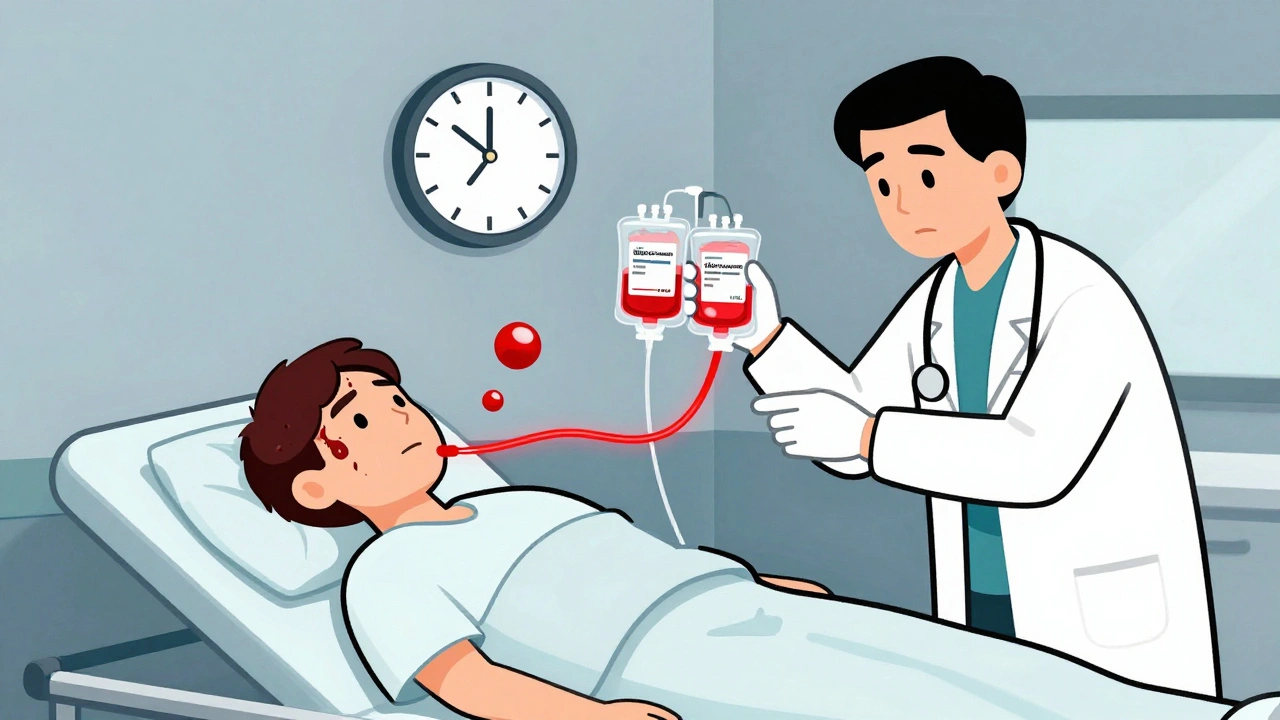
Learn how idarucizumab, andexanet alfa, PCC, and vitamin K reverse blood thinners in emergencies. Compare speed, safety, cost, and real-world use for warfarin and DOACs.
- December 6 2025
- Tony Newman
- 13 Comments