
Category: Medications - Page 2
How Multiple Generic Drug Manufacturers Lower Prices: Real Data & Patient Tips
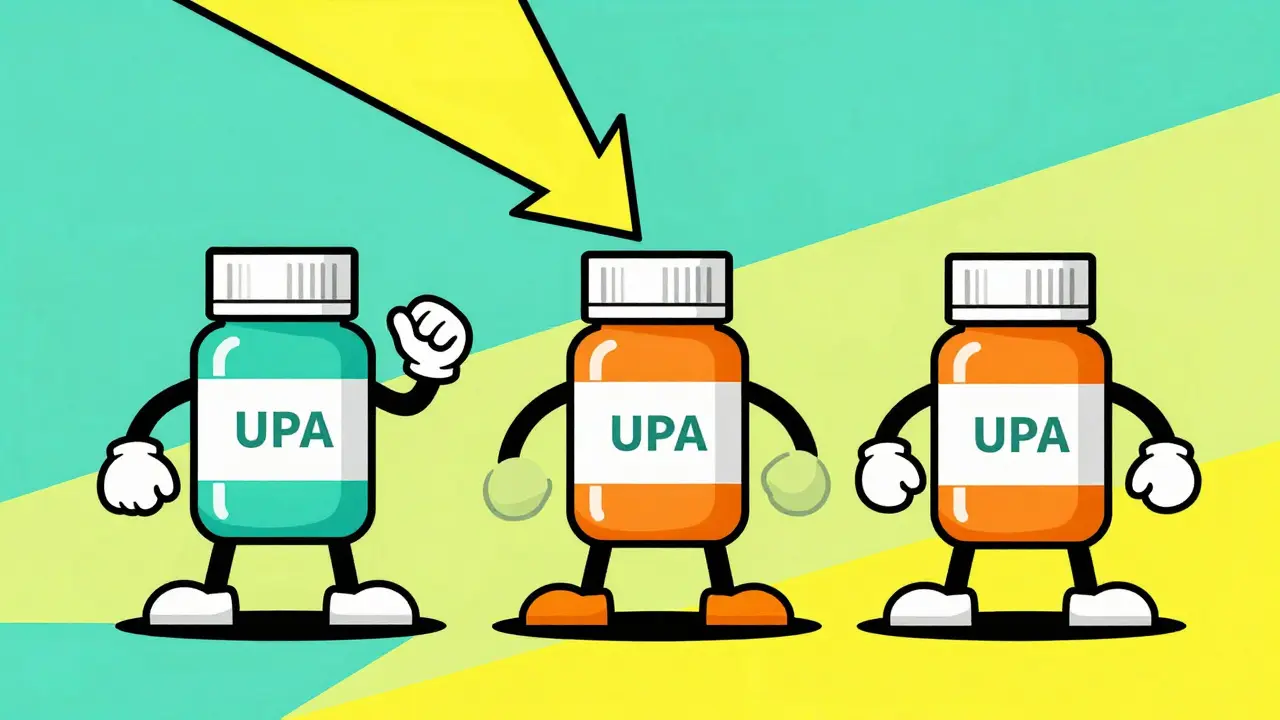
Learn how multiple generic drug manufacturers drive down prices through competition. Real data shows savings of up to 70% with four or more competitors. Understand how this affects your healthcare costs.
- February 6 2026
- Tony Newman
- 9 Comments
How to Identify Look-Alike Names on Prescription Labels to Prevent Medication Errors
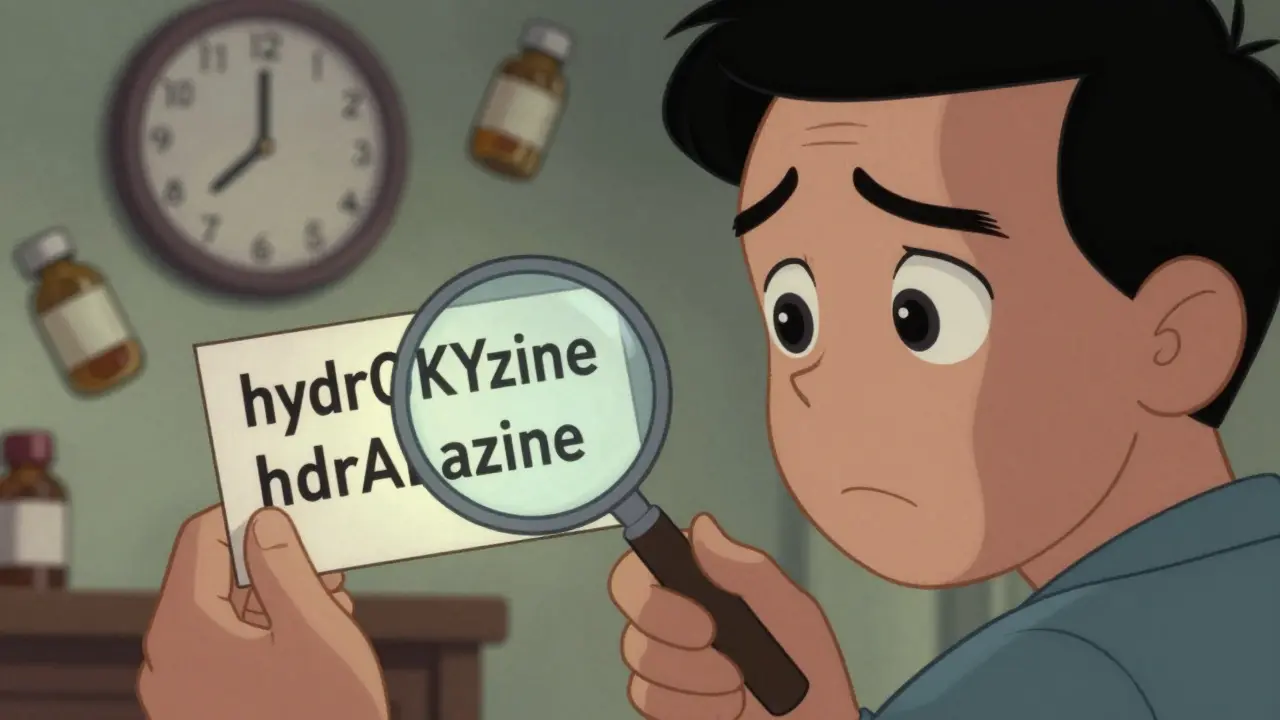
Learn how to spot look-alike drug names on prescription labels using tall man lettering and proven safety practices to prevent dangerous medication errors. Essential for patients, caregivers, and healthcare workers.
- February 1 2026
- Tony Newman
- 8 Comments
Medicare Part D Formularies: How Generic Drug Coverage Works in 2025
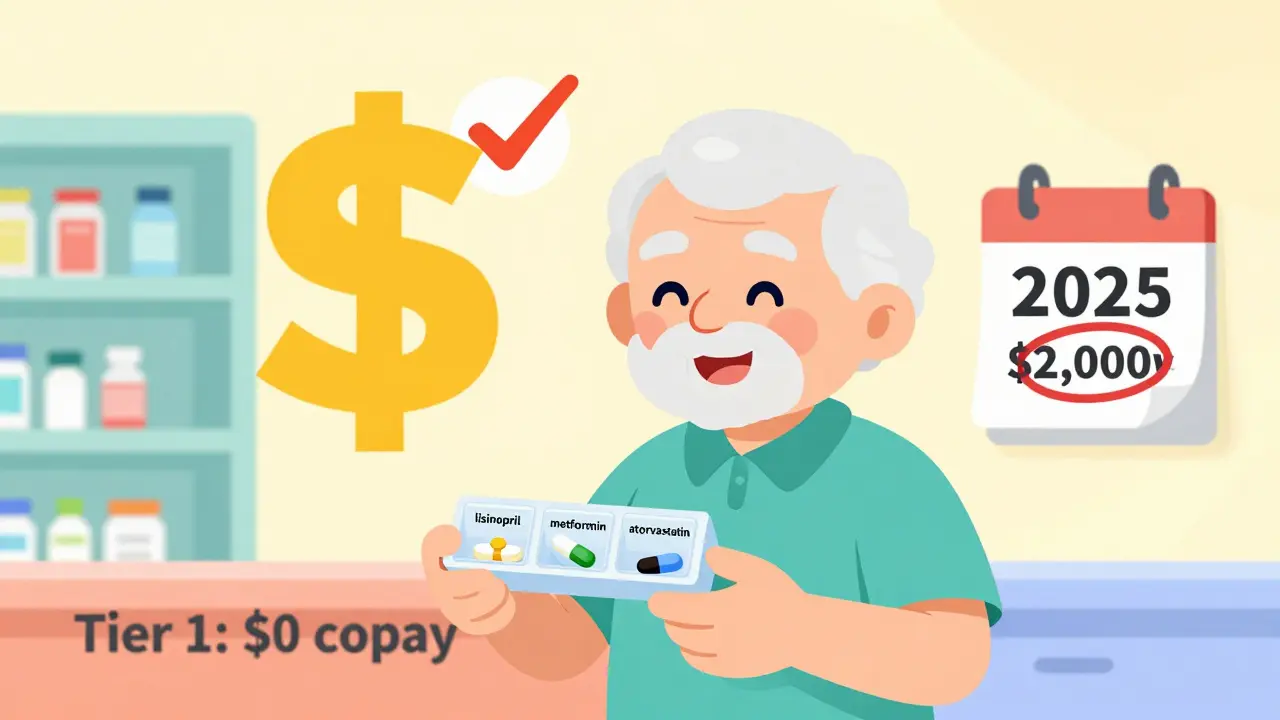
Medicare Part D generic drug coverage in 2025 is simpler and cheaper than ever, with a $2,000 out-of-pocket cap and low-tier copays. Learn how formularies work, what you pay, and how to save on your prescriptions.
- January 27 2026
- Tony Newman
- 10 Comments
Colchicine and Macrolides: How Drug Interactions Can Turn Life-Saving Medications Dangerous
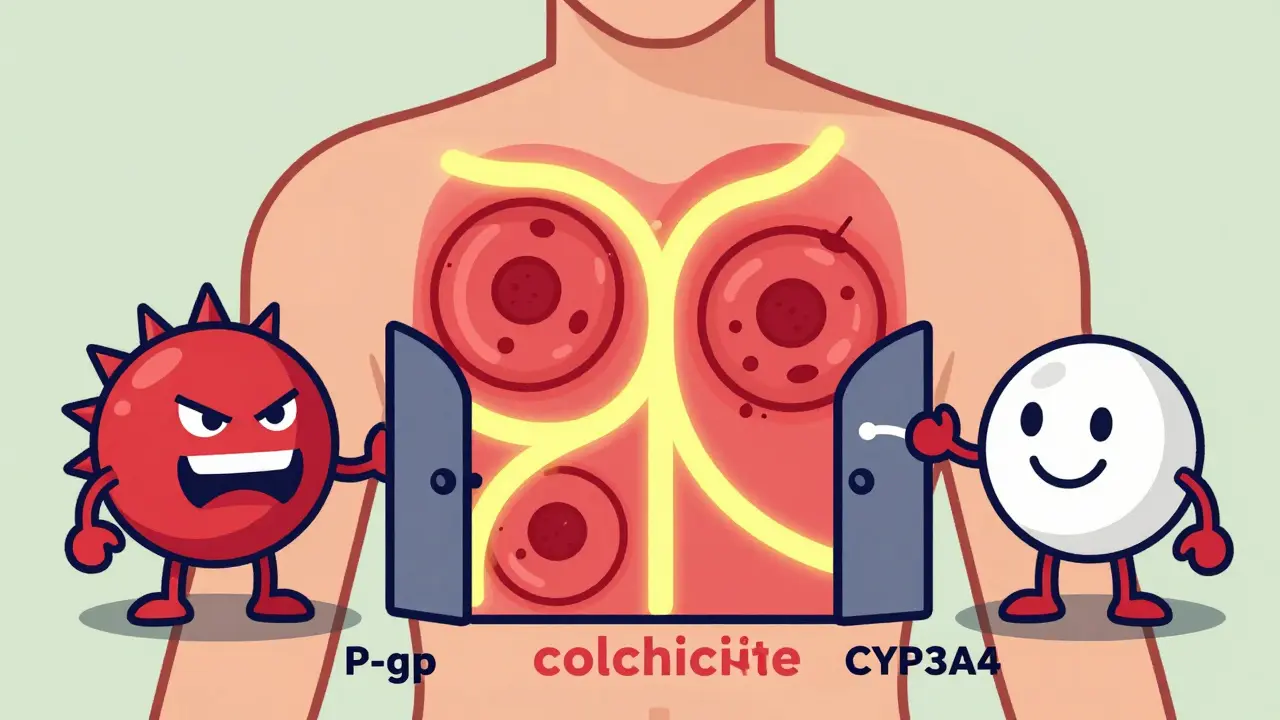
Colchicine saves lives but can turn deadly when mixed with common antibiotics like clarithromycin. Learn how CYP3A4 and P-gp inhibition cause toxic buildup-and what to do to stay safe.
- January 25 2026
- Tony Newman
- 12 Comments
TNF Inhibitors and TB Reactivation: Screening and Monitoring Protocols

TNF inhibitors like adalimumab and infliximab effectively treat autoimmune diseases but carry a significant risk of reactivating latent tuberculosis. Proper screening, treatment of latent TB, and ongoing monitoring are essential to prevent life-threatening complications.
- January 18 2026
- Tony Newman
- 8 Comments
How to Talk to Your Doctor About Staying on a Brand Medication
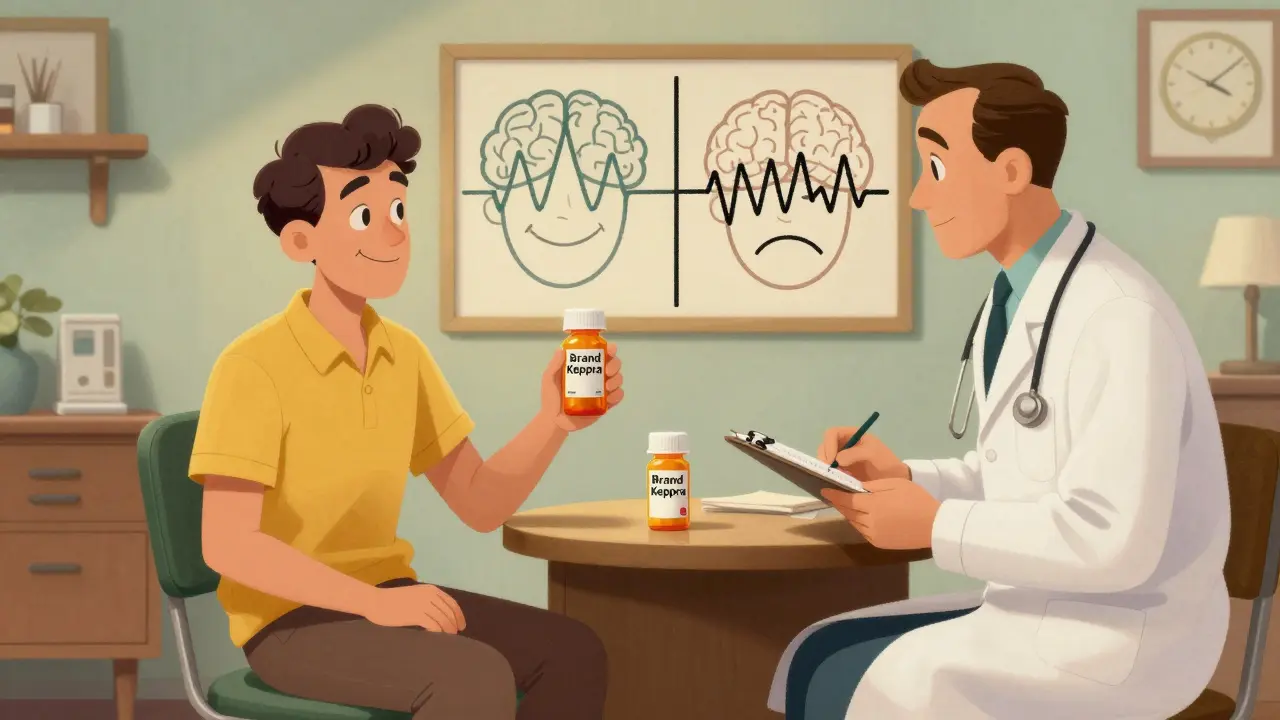
Learn how to talk to your doctor about staying on a brand medication when generics are available. Get practical tips, what to say, how to prepare, and how to handle insurance hurdles.
- January 17 2026
- Tony Newman
- 8 Comments
Documentation Requirements for Recording Generic Substitution Decisions in Pharmacy Practice
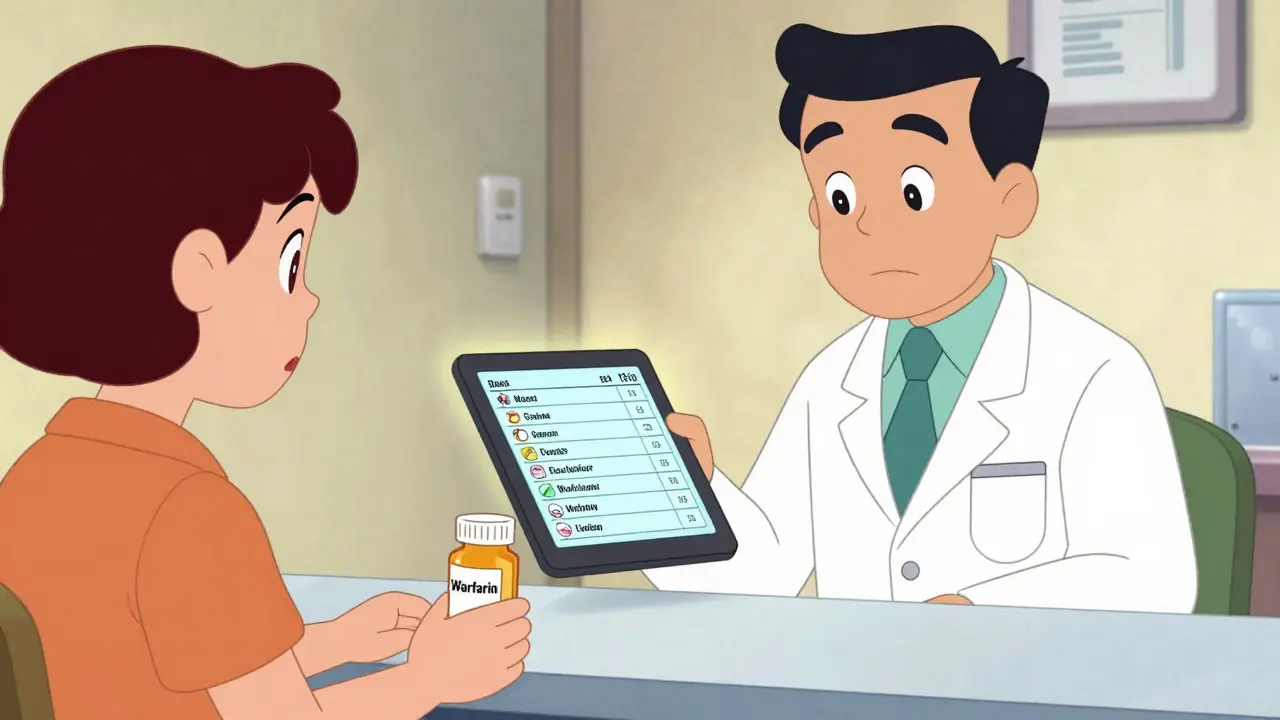
Pharmacists must document every generic drug substitution to ensure patient safety and legal compliance. Rules vary by state, but core requirements include brand name, generic name, manufacturer, lot number, and expiration date. Proper documentation prevents errors, supports audits, and saves lives.
- January 16 2026
- Tony Newman
- 9 Comments
Morning Coffee and Levothyroxine: How to Space Doses for Better Absorption
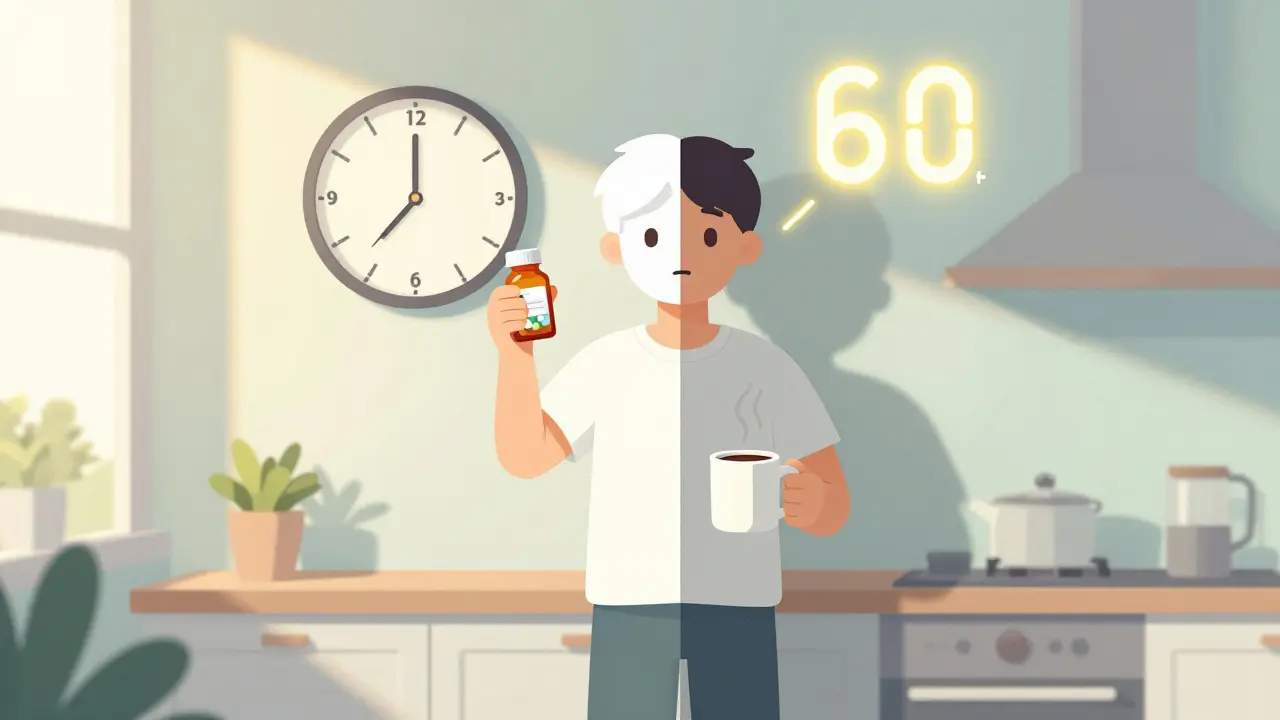
Drinking coffee too soon after taking levothyroxine can block up to 57% of the medication's absorption. Learn the right timing, alternatives like liquid formulations, and how to fix persistent thyroid symptoms.
- January 15 2026
- Tony Newman
- 9 Comments
Medication Therapy Management: How Pharmacists Optimize Generic Drug Use for Better Outcomes
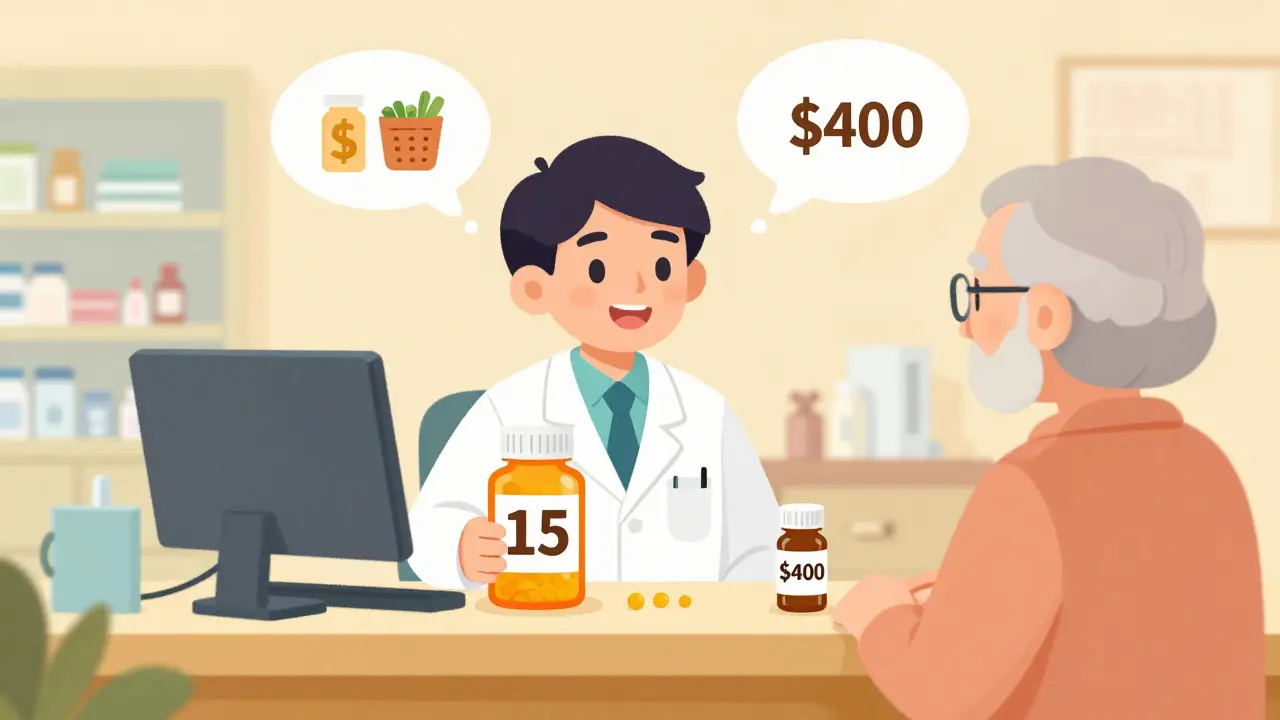
Pharmacists use Medication Therapy Management to help patients save money by switching to safe, effective generic drugs-cutting costs by up to 85% while improving adherence and reducing hospital visits.
- January 14 2026
- Tony Newman
- 9 Comments
How to Navigate Pharmacy Substitution Laws in Your State: Generic vs Brand Medications
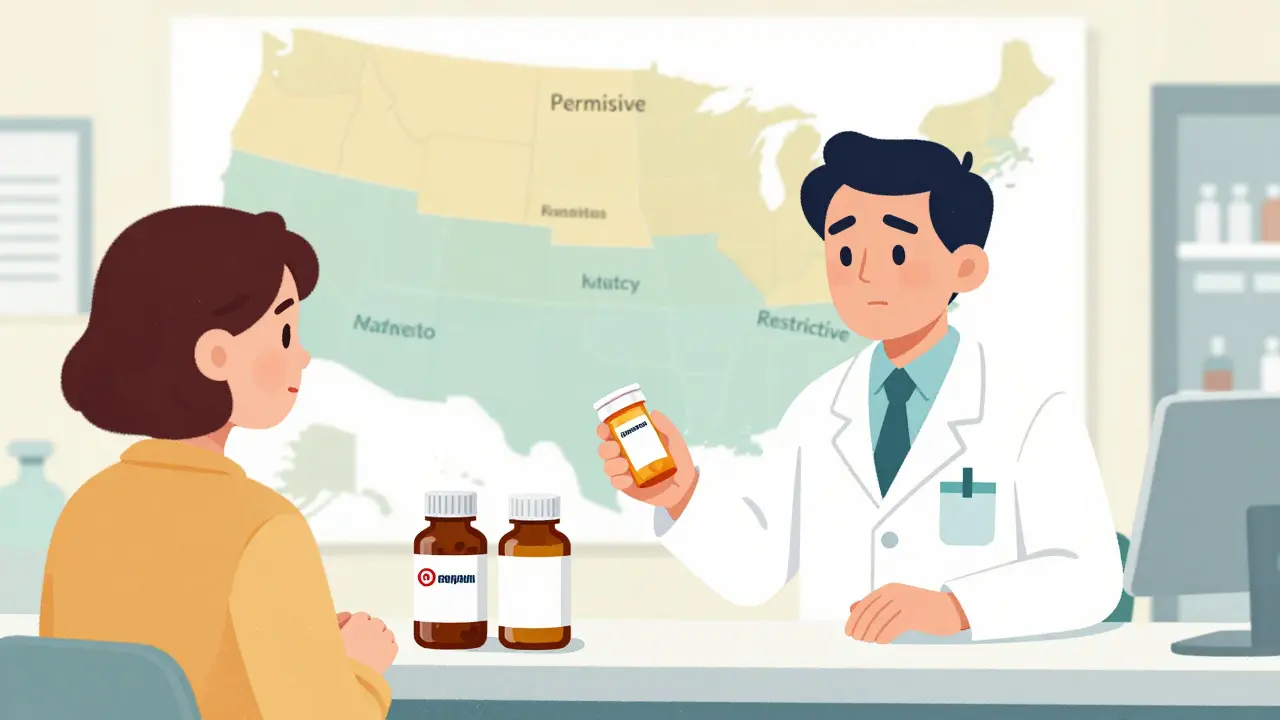
Learn how pharmacy substitution laws vary by state when switching from brand-name drugs to generics or biosimilars. Know your rights, what pharmacists must do, and how to protect your health.
- January 12 2026
- Tony Newman
- 14 Comments