
Health and Wellness: Practical Guides on Meds, Supplements & Lifestyle
Looking for clear, usable health info without the fluff? This Health and Wellness category brings together short, practical guides about medicines, supplements, and everyday choices that actually help. You’ll find plain-English explainers, real tips from patients, and quick summaries of risks and benefits for common conditions.
What you’ll find here
Need heartburn help? Read articles on Aciphex, Zantac’s recall, and our H2 blockers vs PPIs comparison so you can weigh options. Fighting fungal infections? Check the Lamisil guide and the voriconazole write-up for serious cases. Managing chronic conditions? We cover the latest diabetes treatments for 2025 and lifestyle steps for neuropathy and osteomyelitis care.
We also spotlight supplements people actually talk about—quercetin, Mouse Ear, Scarlet Pimpernel, and others—so you can see claimed benefits, possible side effects, and when a supplement might help versus when medication is needed.
How to use this information safely
Read an article to learn what a drug does, how it’s usually taken, and common side effects. For example, the Aciphex post explains rabeprazole dosing and simple lifestyle moves to reduce reflux. The Zantac piece explains why ranitidine was pulled and shows safer alternatives. That kind of practical detail makes decisions easier.
If you’re comparing options, start with our comparison pieces (like H2 blockers vs PPIs). They list pros and cons in plain language and flag situations where one choice often wins. Still unsure? Use the short checklists in each post to prepare questions for your doctor or pharmacist.
When a condition is urgent or severe—high fever, signs of infection, sudden chest pain—don’t wait for online research. Get medical help right away. For everyday questions and long-term management, bring our guides to your next appointment to make the conversation faster and clearer.
We vet sources and aim for accurate, up-to-date info, but your situation is unique. That’s why posts include real-world tips and practical next steps, not just clinical facts. You’ll find pieces about lifestyle fixes too: anti-inflammatory diets, exercise ideas, sleep habits, and stress strategies that support medicine when needed.
Want quick navigation tips? Use the search bar to type a medicine name or symptom. Browse tags like "antifungal," "heartburn," or "diabetes" to see related posts. If a post mentions a prescription-only drug, it will note typical dosing and safety reminders so you know what to ask your clinician.
Take a look at the latest posts and bookmark the ones that match your needs. If you like plain language and practical next steps, hit subscribe for updates. Got a topic you want covered? Send us a suggestion and we’ll try to make a clear, useful guide for it.
Documentation Requirements for Record-Keeping in Manufacturing: What You Must Know
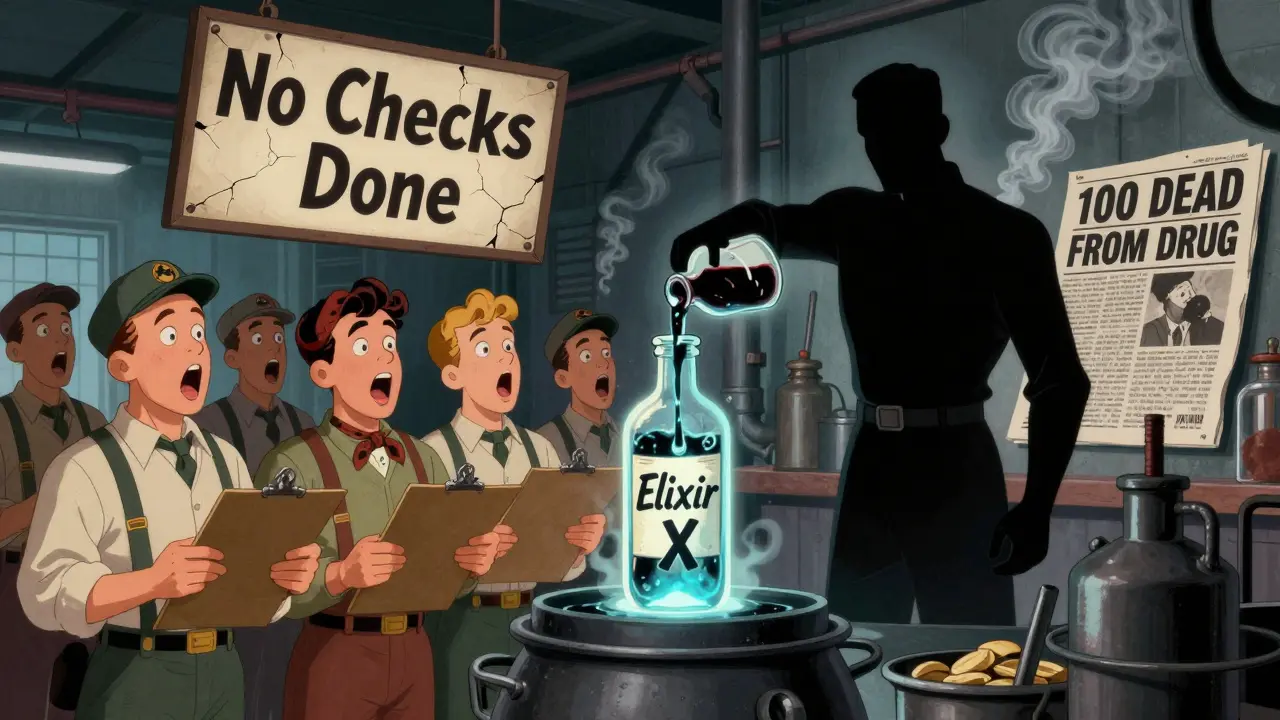
Documentation in manufacturing isn't optional-it's a legal requirement that ensures product safety. Learn what records must be kept, how to meet ALCOA+ standards, and why even small errors can trigger recalls.
- March 5 2026
- Tony Newman
- 8 Comments
Switching Health Plans? How Generic Drug Coverage Can Save You Hundreds
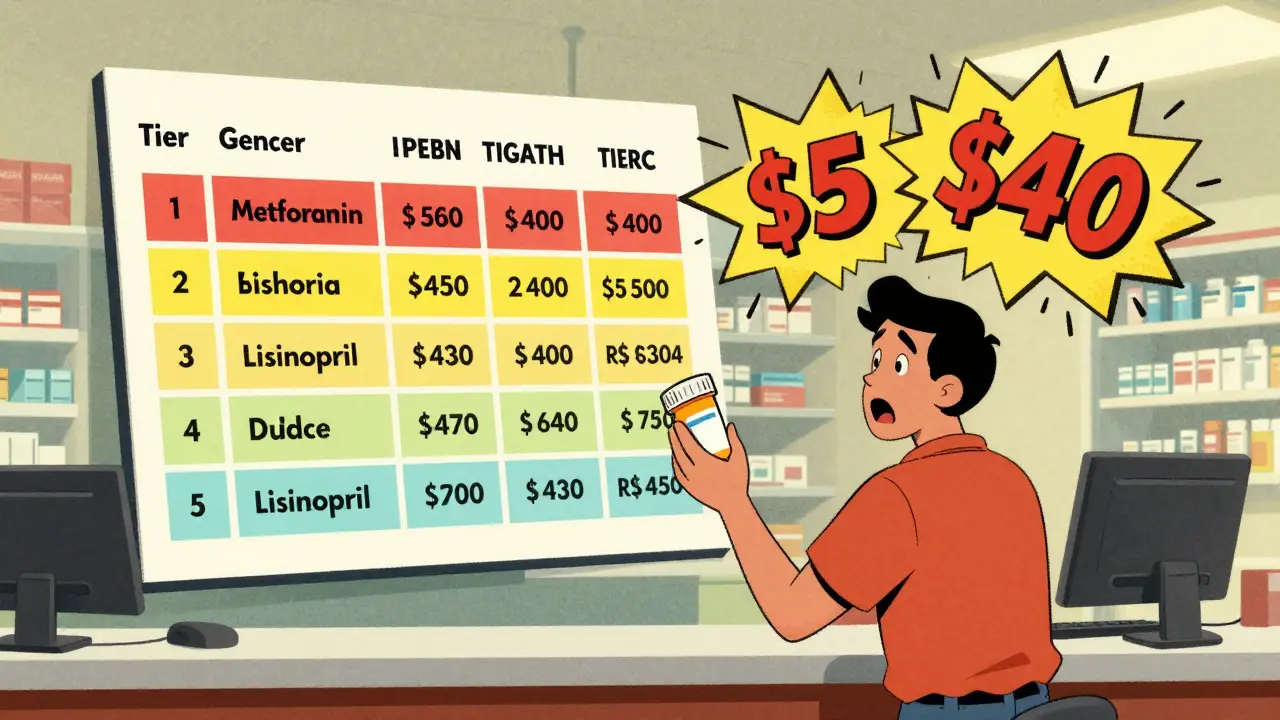
Switching health plans? Your generic drug coverage could cost you hundreds more if you don't check the formulary tiers. Learn how to compare copays, deductibles, and pharmacy networks to save money on prescriptions.
- February 25 2026
- Tony Newman
- 13 Comments
Common Translation Issues on Prescription Labels and How to Get Help
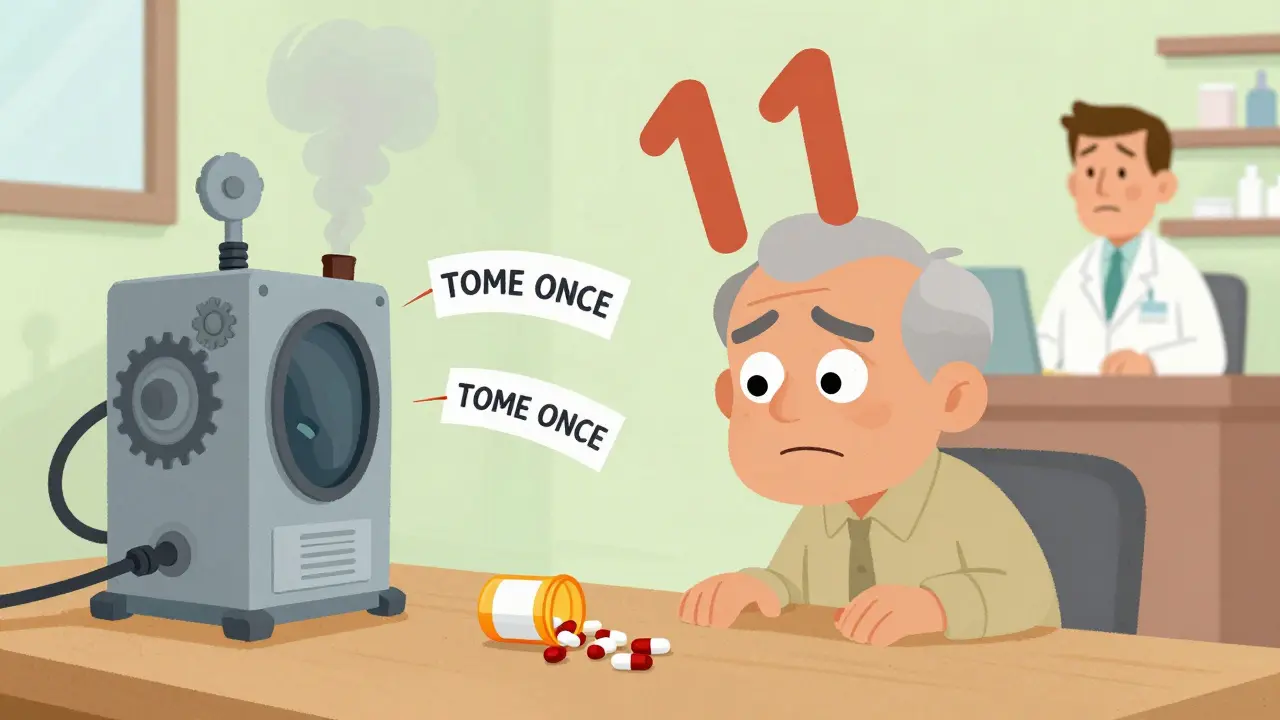
Many non-English speakers get dangerous translation errors on prescription labels. Learn the most common mistakes, who's affected, and how to get accurate instructions to avoid deadly mistakes.
- February 23 2026
- Tony Newman
- 0 Comments
Travel and Weight Management: Eating Out and Airports

Learn how to eat smart at airports and restaurants while traveling. Discover protein-rich meals, smart snack swaps, and hidden calorie traps - all backed by real data and expert advice.
- February 12 2026
- Tony Newman
- 14 Comments
Alcohol Withdrawal and Liver Health: Safe Detox Strategies

Learn how alcohol withdrawal affects liver health and what safe detox strategies actually work. Discover the risks of quitting cold turkey, the importance of medical supervision, and how to support liver recovery with science-backed nutrition and care.
- January 30 2026
- Tony Newman
- 12 Comments
Large Print and Accessible Prescription Labels for Low Vision: What You Need to Know
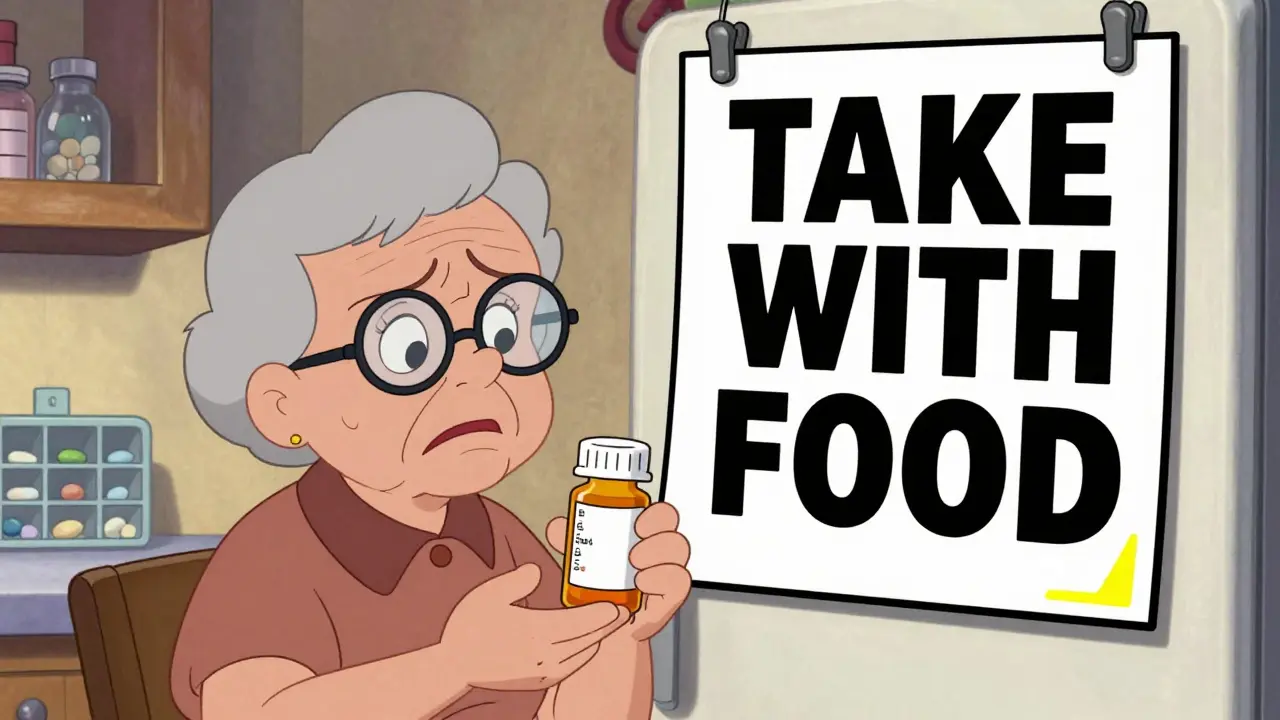
Learn how large print and accessible prescription labels help people with low vision avoid dangerous medication errors. Discover free options, legal rights, and how to get the right label at your pharmacy.
- January 29 2026
- Tony Newman
- 15 Comments
Medications and Athletes: How Common Drugs Affect Performance and Health
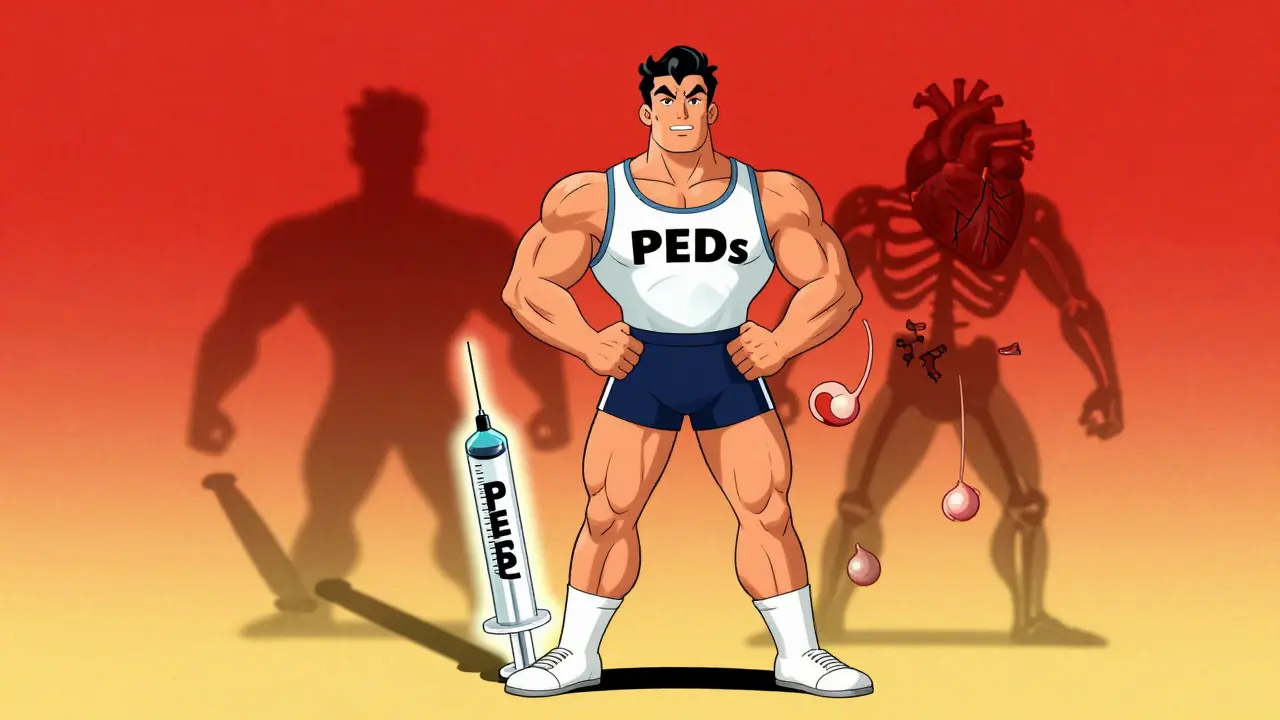
Performance-enhancing drugs give athletes quick gains but come with serious, often permanent health risks - from heart damage and infertility to depression and liver failure. Most users aren't pros - they're everyday gym-goers.
- January 22 2026
- Tony Newman
- 8 Comments
Inhalers Explained: Rescue Inhalers vs. Maintenance Inhalers
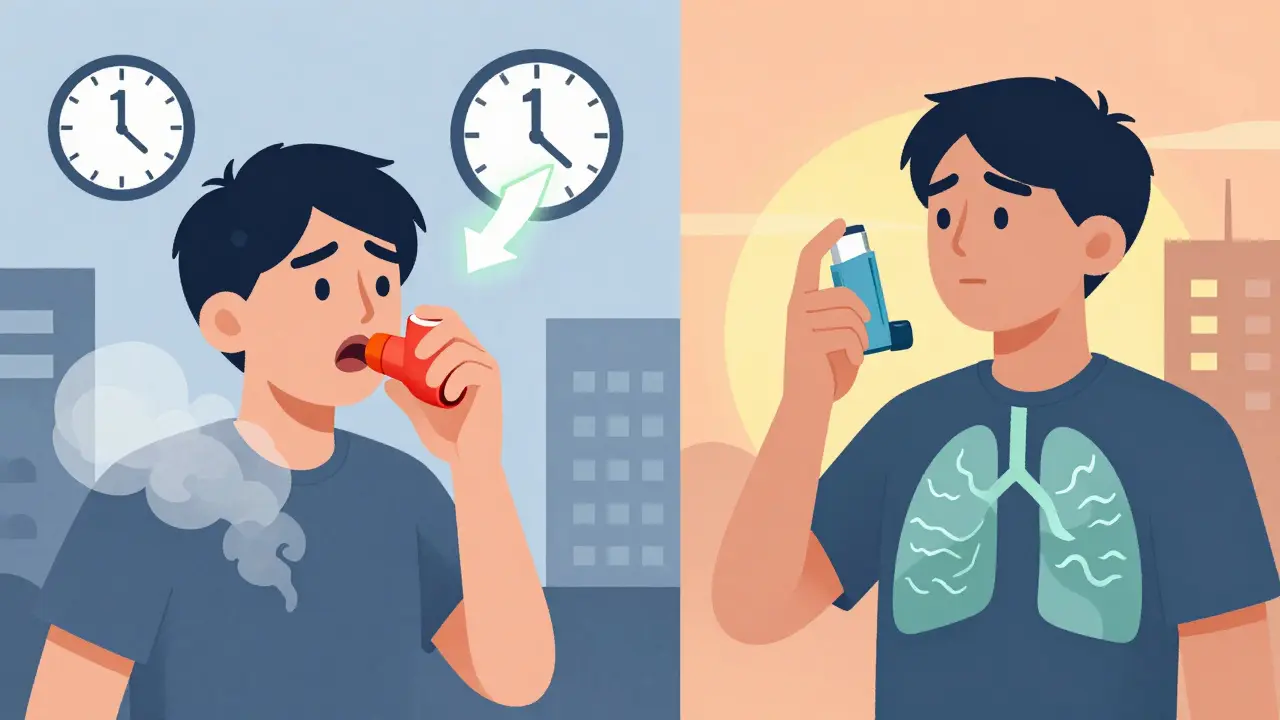
Rescue inhalers give quick relief during asthma attacks, while maintenance inhalers prevent symptoms by reducing daily inflammation. Using the wrong one can be dangerous. Learn how to tell them apart and use them correctly.
- January 21 2026
- Tony Newman
- 10 Comments
Probiotics During Antibiotic Therapy: How to Reduce GI Side Effects

Probiotics can reduce antibiotic-related diarrhea by up to 50% when taken correctly. Learn which strains work, how to time them, and who should avoid them.
- January 11 2026
- Tony Newman
- 10 Comments
Antibiotic Stewardship: How Proper Use Reduces Side Effects and Saves Lives
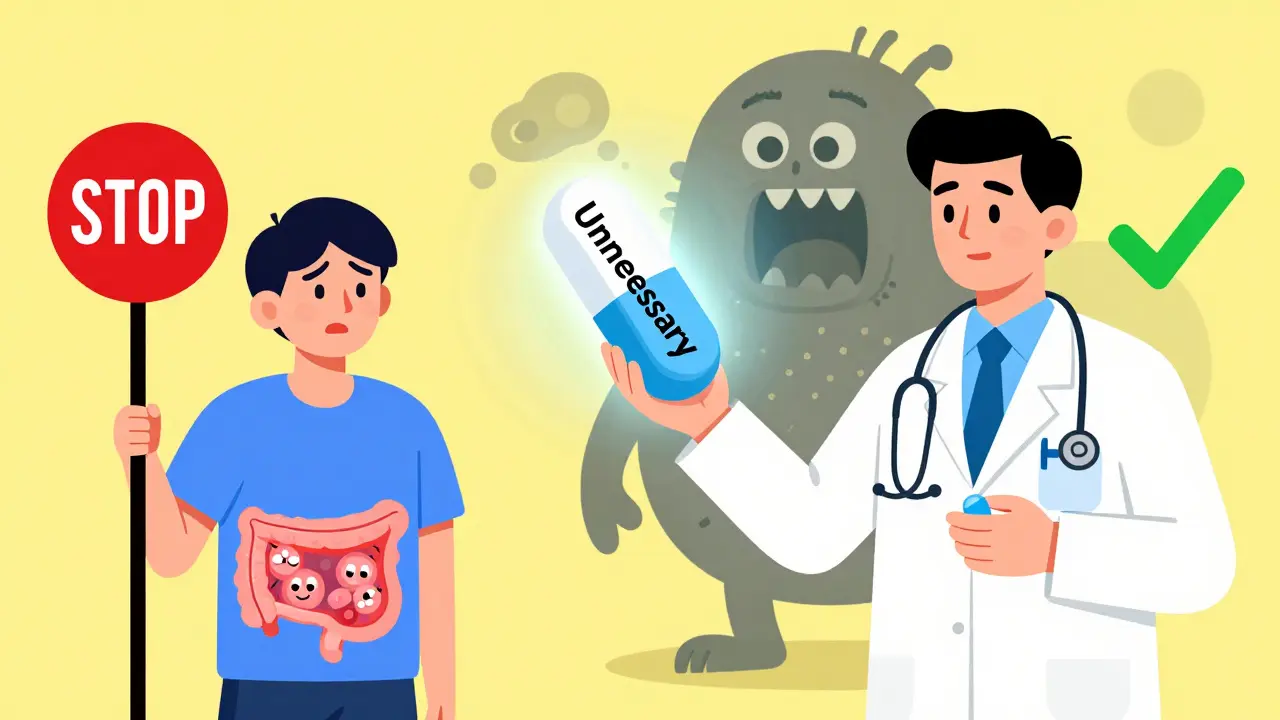
Antibiotic stewardship reduces harmful side effects by ensuring antibiotics are only used when necessary. Learn how proper prescribing cuts C. diff infections, prevents resistance, and protects patient health.
- December 22 2025
- Tony Newman
- 12 Comments